
Material options that fit the roof and the budget
We'll walk through standing seam versus exposed-fastener panels, gauge considerations, and finish choices, then match the system to your roof pitch, layout, and goals.
Serving Blue Bell, Pennsylvania & surrounding areas
Mon–Sat · 7am–7pm
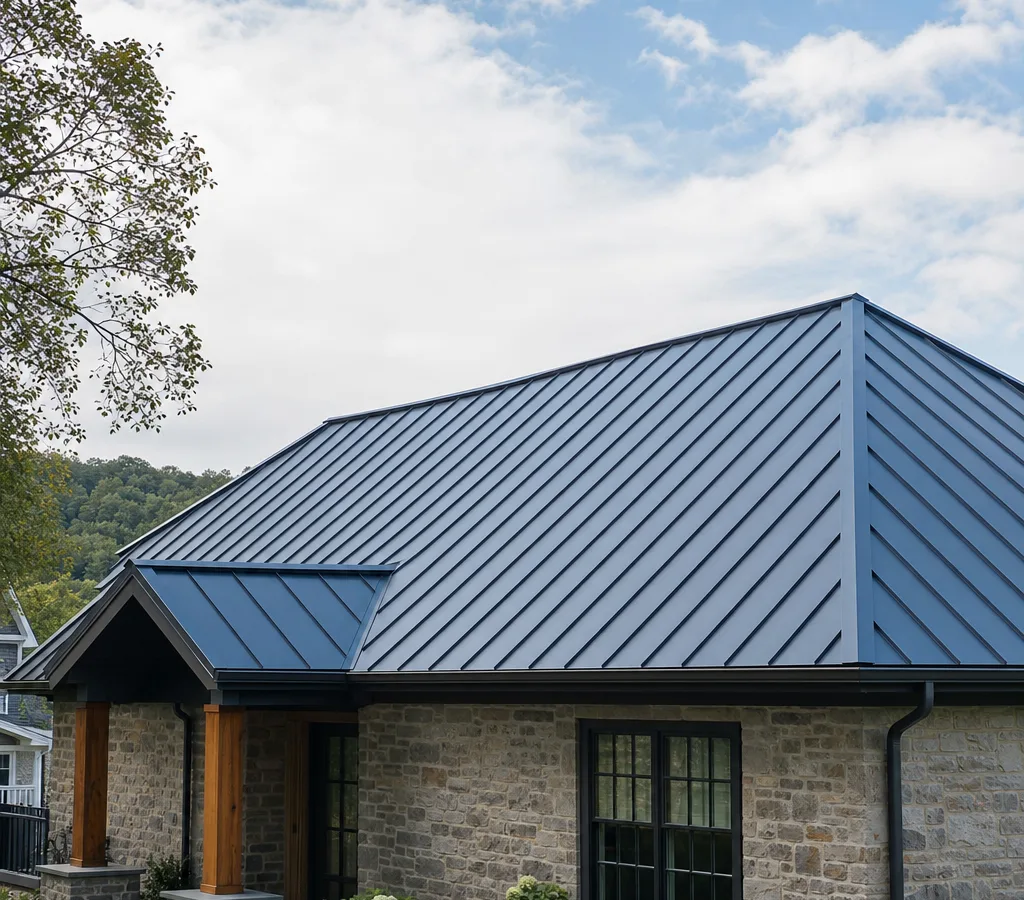
Metal roofing in Blue Bell, PA
Install a metal roof that's built to handle Pennsylvania weather, drains correctly, and looks sharp for decades. Get a clear scope, material options, and clean workmanship from Roofing Blue Bell.
Built for Pennsylvania seasons
If you're searching for tin roof Blue Bell installation, you're likely after two things: long-term durability and a roof that won't become a maintenance problem. Metal roofing can deliver both, but the result depends less on the panel itself and more on the details you don't see from the street: underlayment, ventilation, flashing, and how every penetration is sealed.
Blue Bell homes see humid summers, freezing conditions in winter, and fast weather swings in spring and fall. That matters for a tin (metal) roof because metal expands and contracts. A good installation plan accounts for thermal movement, uses the right fasteners and clips, and keeps water moving off the roof with correctly formed valleys, drip edges, and pipe boot details.
Roofing Blue Bell installs and replaces tin/metal roofing systems across Blue Bell, PA 19422 with an emphasis on tidy job sites, straightforward communication, and work that holds up over time. You can also get a broader view of what we do through Roofing Blue Bell if you're comparing roof types or planning a larger roof project.
We'll walk through standing seam versus exposed-fastener panels, gauge considerations, and finish choices, then match the system to your roof pitch, layout, and goals.
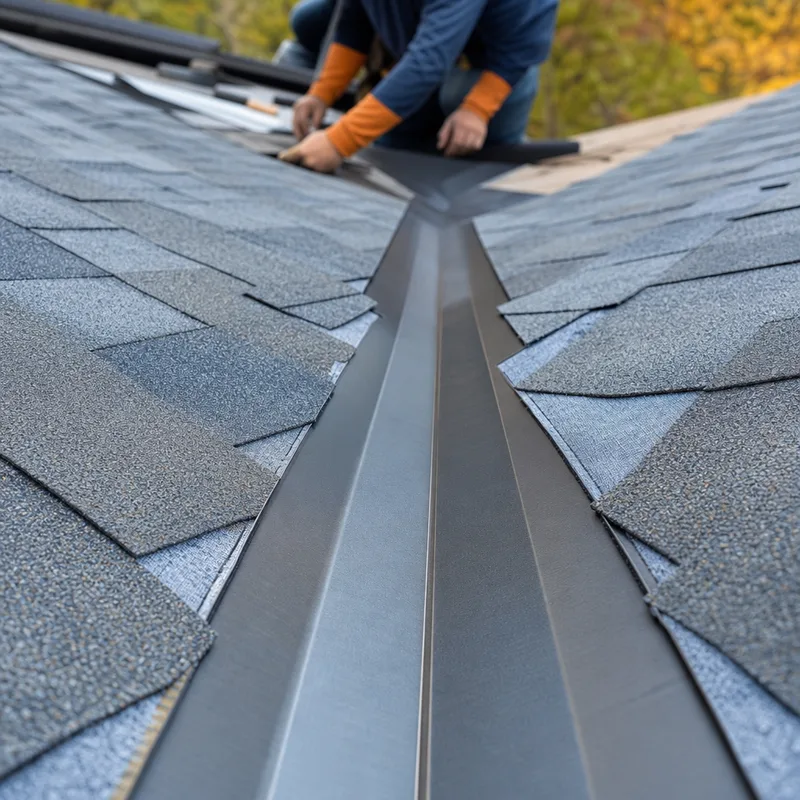
Most problems start at valleys, chimneys, skylights, and vents. We focus on step flashing, counterflashing where applicable, ice-and-water membrane placement, and clean transitions.
A metal roof still needs correct attic ventilation and air sealing strategy. We verify intake and exhaust paths so moisture doesn't get trapped under the roof deck.
You get a written scope that spells out tear-off (if needed), deck inspection, underlayment, edge metal, flashing details, cleanup, and disposal so there's no guesswork.
We plan staging, protect entry areas, and keep walkways usable. Magnetic pickup and final site checks are part of how we close out a job.
Compare panel systems
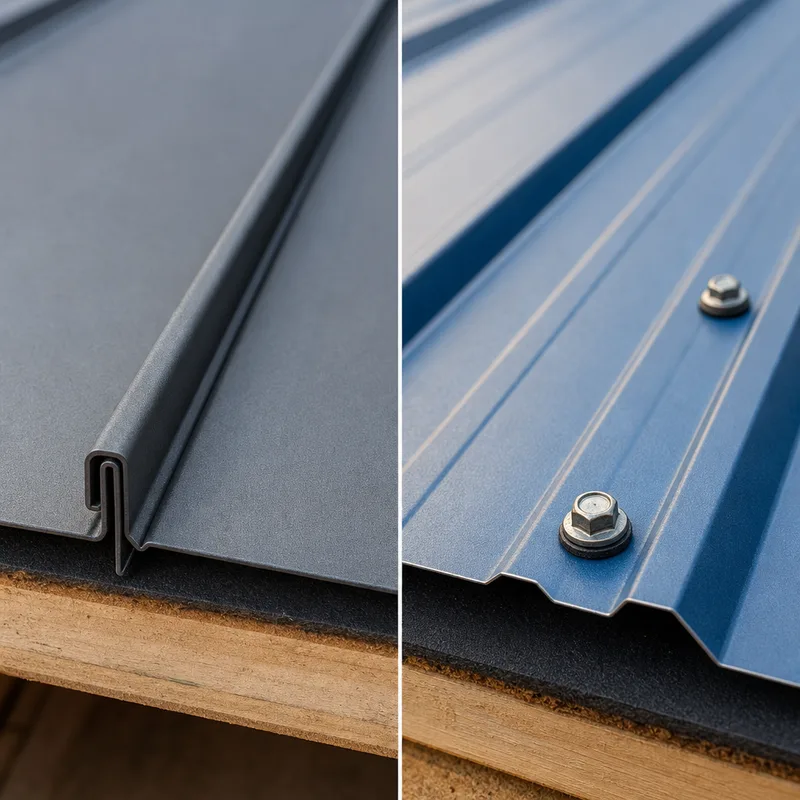
A lot of homeowners say “tin roof” when they mean a modern steel or aluminum roofing system. The two common profiles we install in the Blue Bell area are:
Standing seam panels lock together with raised seams. Fasteners are concealed (or engineered through clips), which reduces the number of exposed points where water can work in. It's a strong choice for long service life and a cleaner look, especially on more visible rooflines.
These panels are typically faster to install and can be more cost-friendly, but the fastener washers are a wear item over time. The layout, screw pattern, and correct closures at ridges and eaves matter a lot.
Either approach can perform well if the roof geometry, pitch, and detailing support it. During the roof visit we'll look at valleys, penetrations, attic conditions, and where snow and water tend to collect on your specific roof so the system fits the house, not the other way around.
Assessment through walkthrough
We measure roof planes and review the roof's complexity (valleys, dormers, skylights, chimneys), then check decking condition, attic ventilation, and any signs of prior leakage.
You get clear options for panel type, finish, underlayment approach, and flashing details. If we find structural or deck concerns, we address them in the scope before work starts.
We protect landscaping and access paths, stage materials safely, and remove existing roofing if the project requires a full replacement. Decking is inspected again once exposed.
We install the underlayment system, ice-and-water membrane where needed, and edge metals. Valleys and transitions are formed and sealed so water is directed properly.
Panels are set and fastened to allow for thermal movement. Pipe boots, vent flashings, and any roof accessories are integrated so penetrations don't become future leak points.
We do a full debris removal, magnetic sweep, and walkthrough of what was completed. You'll know what was installed, why it was chosen, and what basic maintenance looks like.
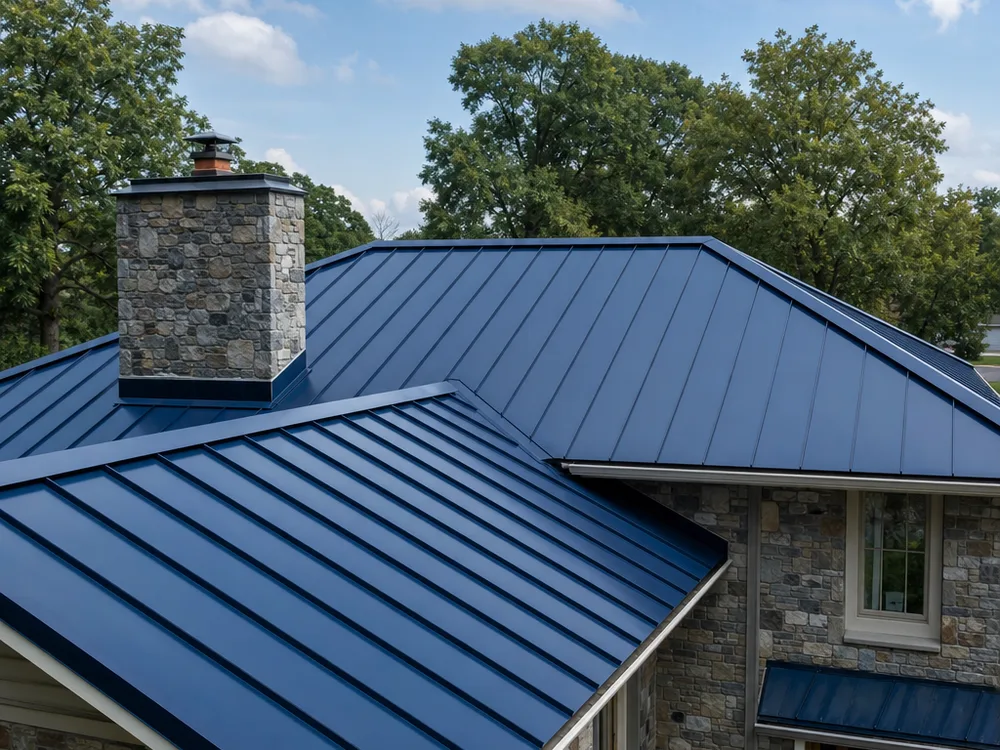
Project proof
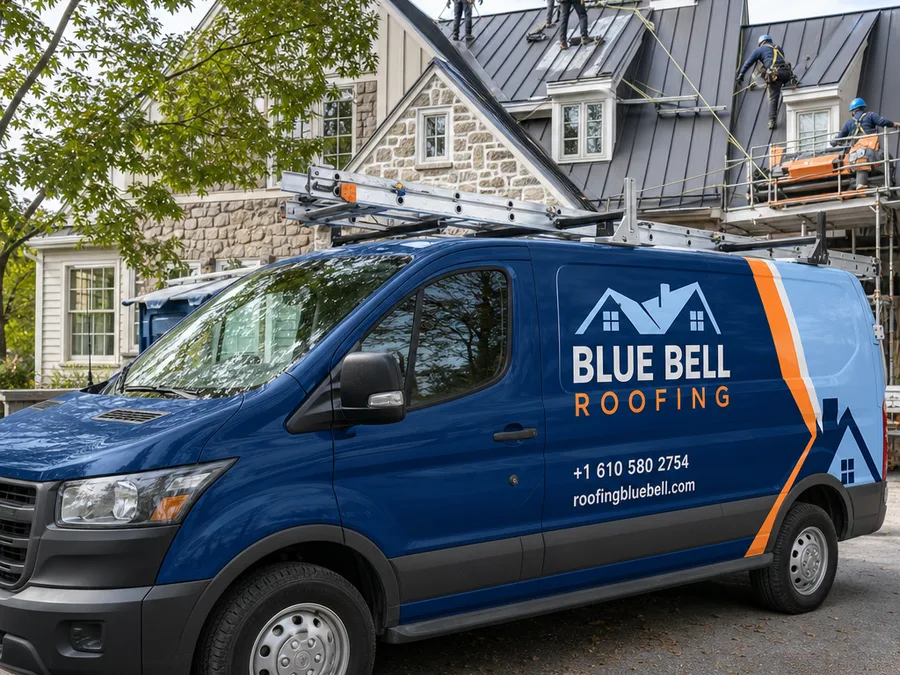
Planning your investment
Most tin (metal) roof installations in Blue Bell typically range from $12,000 to $35,000+, with smaller, simpler roofs toward the lower end and larger homes with complex valleys, steep pitches, and multiple penetrations toward the high end. Standing seam systems commonly price higher than exposed-fastener panels because of material cost and labor.
Your final price depends on roof size and pitch, tear-off requirements, decking repairs, underlayment and ice-and-water membrane needs, flashing complexity (chimneys, skylights, vent stacks), and access for staging and disposal. The exact cost is confirmed after an on-site roof assessment and measurements.
If you want a blue bell tin roof that drains correctly and stays tight through seasonal movement, start with a roof visit so we can confirm the right panel system, flashing plan, and scope for your home.
Call for a EstimateQuestions before installation
Yes, a tin (metal) roof can work very well on older homes, as long as the roof deck, ventilation, and flashing details are addressed during installation. Older rooflines can have more transitions, dormers, and chimneys, so the plan for valleys and step flashing matters as much as the panel choice.
Sometimes, but it depends on the existing roof condition, local requirements, and whether the assembly can be detailed correctly at edges and penetrations. In many cases a tear-off is the better route because it lets us inspect the decking, correct any soft spots, and build the underlayment and flashing system the right way.
Most homeowners mean painted steel or aluminum roofing, commonly installed as standing seam panels or exposed-fastener panels. True tin roofing is uncommon today; the performance you want usually comes from modern coated metals, quality underlayment, and correct detailing around valleys, ridges, and penetrations.
Many residential metal roof installs take a few days to about a week, depending on roof size, complexity, weather, and whether decking repairs are needed. A simple roof with fewer penetrations moves faster than a roof with multiple valleys, skylights, and chimney flashing work.
On most homes with a solid roof deck and attic space, a properly installed metal roof is not dramatically louder than other roofing materials. Noise is more noticeable on open-framed structures or if the assembly lacks proper decking and insulation.
Expect periodic visual checks, gutter and downspout cleaning, and prompt attention to any sealant or flashing issues if they ever appear. For exposed-fastener systems, fasteners and washers are the items most likely to need future attention, which is one reason standing seam is often chosen for lower maintenance.
Start with an on-site assessment
Tell us what you're working with and what you want from the roof. We'll inspect the existing conditions, explain your metal roofing options, and provide a written scope you can trust before any work begins.